
Topic outline
-
-
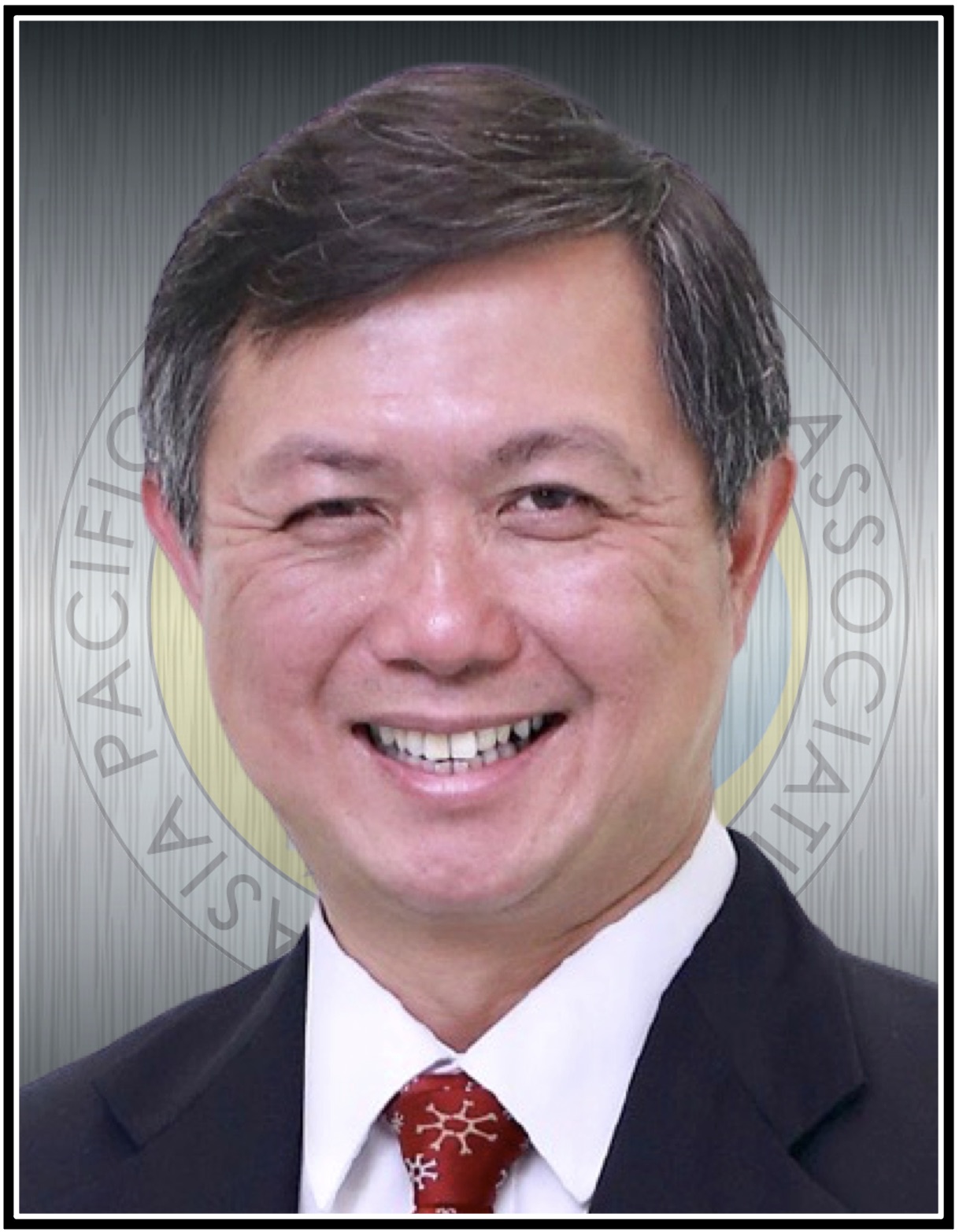 David SK Choon CommitteeChairMalaysia
 -
 Abhay Elhence CommitteeVice ChairmanIndia
-
-
-
1. Introduction and Rationale
The APOA Education Committee continuously seeks innovative methods to engage its membership, foster collaborative research, and generate high-quality clinical guidelines. Traditional consensus-building methods are often geographically restrictive, time-consuming, and limited to a small pool of senior key opinion leaders.
This proposal outlines a modernized, AI-enhanced Modified e-Delphi methodology hosted entirely on the existing APOA Moodle platform. By leveraging AI for literature synthesis and iterative summary generation—under strict senior surgeon oversight—we can rapidly scale the Delphi process. This approach will uniquely democratize the consensus process, engaging a large cohort of younger surgeons while maintaining rigorous academic standards.
2. Project Objectives
* Accelerate Consensus: Utilize AI to streamline literature reviews and round-to-round summaries, reducing the traditional Delphi timeline.
* Maximize Platform Utility: Drive active engagement and traffic to the APOA Moodle platform by hosting interactive consensus rounds and discussions.
* Engage Younger Members: Provide a structured, incentivized platform for younger surgeons to actively shape and contribute to meaningful academic literature.
* Produce High-Quality Guidelines: Generate peer-reviewed, globally recognized orthopaedic consensus statements intended for publication in the Journal of Orthopaedic Surgery.
3. Proposed Methodology
The study will be a Modified e-Delphi process, heavily utilizing the Moodle platform's survey and forum capabilities, structured across four phases:
Phase 1: AI-Assisted Topic & Statement Development
* The Education Committee will define the core clinical question or controversial topic.
* Artificial Intelligence tools will be utilized to perform a rapid, comprehensive literature synthesis and draft the initial round of consensus statements.
* Critical Oversight: A small Expert Panel of senior surgeons will rigorously review, edit, and approve these AI-generated statements to ensure clinical accuracy and mitigate AI hallucination before they are presented to the broader participant pool.
Phase 2: Participant Onboarding (APOA Moodle)
* A broad call for participants, specifically targeting younger surgeons, will be distributed.
* Participants will register and access the e-Delphi modules exclusively through the APOA Moodle platform, ensuring a secure and verifiable academic environment.
Phase 3: The Iterative e-Delphi Rounds & Crowdsourced Literature
* Round 1: Participants review the senior-approved, AI-generated literature summaries and statements on Moodle. They will rate their agreement using a Likert scale and provide qualitative feedback.
* Participant-Suggested Literature: During the review process, participants can suggest additional journal articles they believe are critical but missing from the initial AI analysis.
* General Body Vetting: Before any newly suggested articles are integrated, they will be presented to the general participant body for vetting and approval. Only literature accepted by the general body will be fed into the AI for updated analysis.
* Data Synthesis & Senior Review: AI will rapidly analyze the quantitative data, summarize the qualitative free-text feedback, and integrate the newly approved literature. The Expert Panel will then review this summary to refine the statements for the next round.
* Subsequent Rounds (2-3): Iterative rounds will continue on Moodle until a predefined consensus threshold (e.g., 75% or 80% agreement) is achieved.
4. Authorship and Incentivization Model
To ensure sustained participation, rigorous literature vetting, and high-quality contributions across multiple rounds, an innovative authorship model will be implemented:
* Target Journal: The finalized consensus guidelines and methodology will be submitted for publication to the Journal of Orthopaedic Surgery.
* Primary Attribution: The final publication will be formally attributed to the Top 30 most active online contributors from the younger surgeon cohort, alongside the small Expert Panel of senior surgeons.
* Selection Criteria: Moodle's analytic tools will be used to track participant engagement, consistency, the quality of qualitative feedback, and the value of suggested literature to objectively select these top 30 authors.
* Acknowledgement: All other participants who complete the required rounds will be listed as part of the "APOA e-Delphi Collaborative Group" in the publication acknowledgments.
5. Role of the Education Committee
The Education Committee will act as the central steering group, responsible for:
* Selecting the initial topics.
* Appointing the senior Expert Panel.
* Managing the Moodle platform integration and analytics tracking.
* Overseeing the ethical use of AI throughout the data synthesis phases.
6. Conclusion
Integrating an AI-assisted e-Delphi model into the APOA Moodle platform presents a significant opportunity to produce rapid, high-quality clinical guidelines. By pairing the efficiency of AI with the clinical wisdom of senior surgeons, the active engagement of our younger members, and a democratic literature-vetting process, the APOA can set a new global standard for collaborative medical research.
Concept Proposal: AI-Enhanced e-Delphi Consensus Building via the APOA Moodle Platform
Prepared for: The APOA Education Committee
Project Type: Modified e-Delphi Study & Consensus Guidelines
Platform: APOA Moodle
Target Publication: Journal of Orthopaedic Surgery
-